
The Moment People were Speechless when they saw what emerged from the sea…
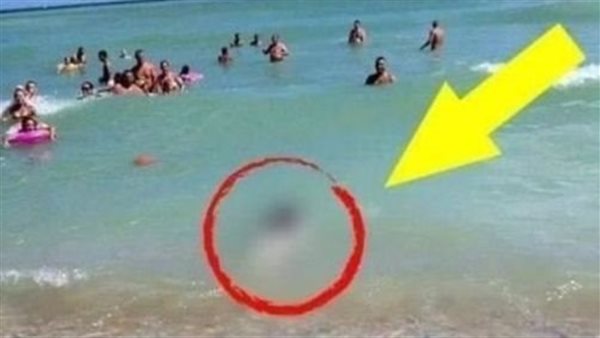
People were left in awe and concern as a surprising and saddening sight unfolded on the Romanian coast. Tourists, enjoying the beauty of the sea, were unexpectedly greeted by a wounded dolphin emerging from the waves. The distressed mammal had been brought to the shore by the relentless sea waves.
Efforts were immediately undertaken to rescue the wounded dolphin from its precarious situation. However, despite the well-intentioned attempts, the outcome was tragically inevitable – the dolphin had little to no chance of survival. Upon closer examination by experts, it was identified as a member of the Delphinus Delphis species.
The distressing wounds on the dolphin’s body pointed to a probable cause – the perils of human activities. It is believed that the wounds were inflicted by fishermen’s nets, highlighting the all-too-common threat that marine life faces due to human actions.
The Black Sea, where this unfortunate incident occurred, is home to three species of marine mammals, one of which is the Common dolphin (Delphinus delphis ponticus).
The incident serves as a poignant reminder of the impact that human activities, such as fishing practices, can have on marine life. The entanglement of dolphins and other marine animals in fishing gear remains a significant concern, often leading to injuries and fatalities.
This distressing event also emphasizes the importance of conservation efforts and responsible fishing practices to mitigate the harm caused to marine ecosystems. It prompts reflection on the delicate balance between human activities and the well-being of the diverse species inhabiting our oceans. As communities grapple with the aftermath of such incidents, there is an urgent need for increased awareness, education, and advocacy to safeguard the fragile marine ecosystems for future generations.
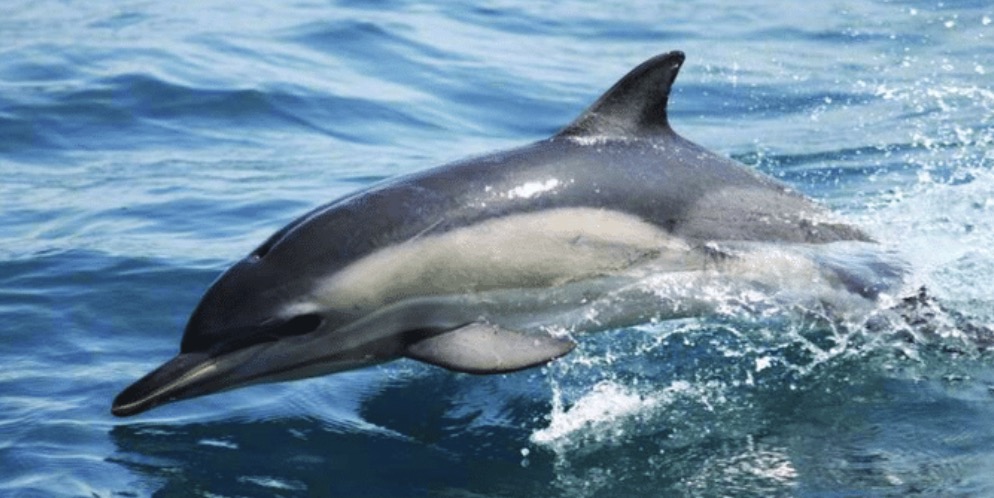
The Bottlenose dolphin (Tursiops truncatus ponticus) is another charismatic resident of the Black Sea, known for its distinctive appearance and behaviors. This species has a more coastal preference compared to the common dolphin.
Bottlenose dolphins are easily recognizable by their robust bodies and elongated beaks. They display a characteristic dark gray to almost black color on their dorsal side, light gray on their lateral side, and a light gray to pinkish hue on their ventral side. The dorsal fin is tall and falcate, often referred to as a “bottleneck” shape, which contributes to their name.
These dolphins exhibit a high degree of intelligence and social organization. They are often observed in groups, called pods, ranging from a few individuals to larger aggregations. Communication within these pods involves a complex system of clicks, whistles, and body language.
Feeding primarily on fish and occasionally cephalopods (such as squid), bottlenose dolphins are skilled hunters. They use echolocation to locate prey,