
The Moment People were Speechless when they saw what emerged from the sea…

emitting sound waves and interpreting the returning echoes to create a mental map of their surroundings.
Bottlenose dolphins are known for their playful and acrobatic behaviors, often riding the bow waves created by boats, leaping out of the water, and engaging in social interactions. Their captivating antics make them a popular species for marine enthusiasts and researchers alike.
While bottlenose dolphins are resilient and adaptable, they face various threats, including habitat degradation, pollution, and accidental entanglement in fishing gear. Conservation efforts strive to protect these intelligent marine mammals and ensure the health of their ecosystems.

Harbor porpoise (Phocoena phocoena relicta)
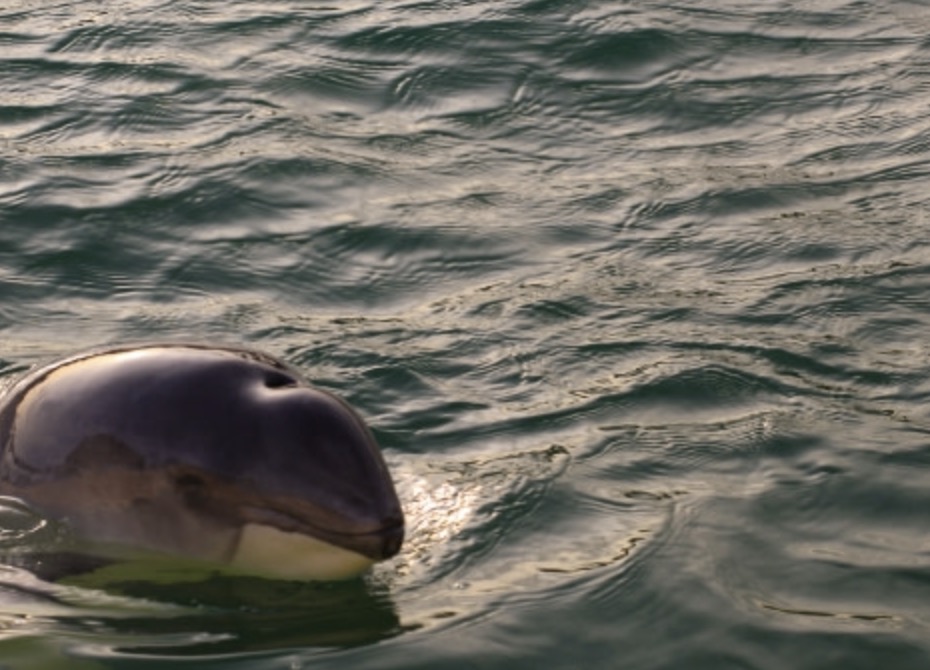
The Black Sea is home to a diverse array of dolphins, each exhibiting unique morpho-anatomical characteristics and dietary preferences. Among the species found in these waters are the bottlenose dolphin, harbor porpoise, and the common dolphin (Delphinus delphis ponticus).
Distinguishing features and ecological behaviors set these species apart. The bottlenose dolphin and harbor porpoise primarily feed on fish and benthic organisms, making coastal areas their preferred habitat. In contrast, the common dolphin’s diet encompasses fish and other organisms in the water column, leading it to thrive in offshore zones.
The common dolphin boasts a distinct appearance, with a bluish-gray to brown color on its dorsal side and a V-shaped light lateral boundary. A pigmented band, varying in darkness, connects the lower jaw to the insertion of the pectoral fins. The dorsal, pectoral, and caudal fins exhibit hues ranging from black to gray-brown.
Newborn common dolphins measure around 0.80-0.95 m, with adult sizes in the Black Sea not exceeding 2 m (males – 177 cm, females – 159 cm). Highly sensitive to chemical and acoustic pollution, these dolphins often form groups of 10-15 individuals, as well as pairs or isolated individuals. Known for their remarkable speed, reaching approximately 50 km/h, they perform short-duration dives and frequently surface to breathe, taking intervals of 1/3 seconds. Their depth range extends to 70 meters.
تصل الدلافين الشائعة إلى مرحلة النضج الچنسي في عمر عامين، وتستمر فترة الحمل لمدة 10 أشهر، ويتم الفطام بعد 4 أشهر. تظهر هذه الدلافين غرائز أمومية متطورة للغاية، ويتراوح عمرها التقديري من 25 إلى 30 عامًا. يتكون نظامهم الغذائي في المقام الأول من الأسماك السطحية الصغيرة، بما في ذلك الإسبرط والأنشوجة والقوبيون، وكذلك القشريات. بالإضافة إلى ذلك، قد تكشف محتويات معدتهم عن أنواع أخرى مثل إسقمري الحصان، وسمك القد، والسمك الأزرق، والبوري الأحمر، وقاروص البحر، والروبيان، والرخويات. تستهلك الدلافين الشائعة حوالي 10 كجم من الطعام يوميًا.