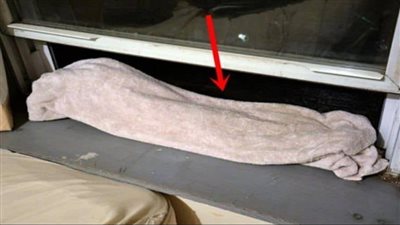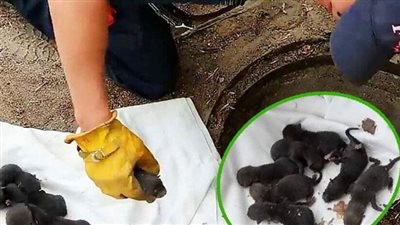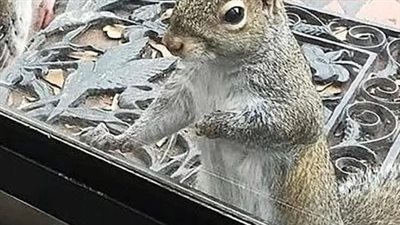
How many riders do you see? Test your ability to distinguish!
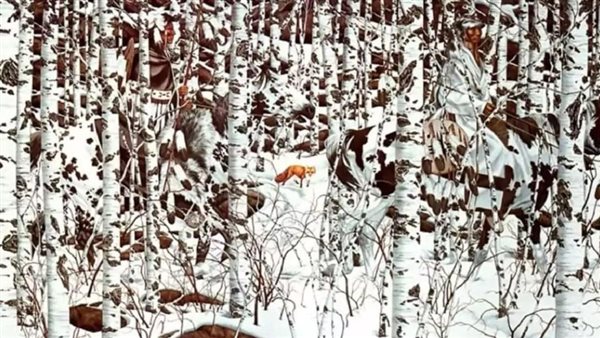
Camouflage is one of the many exciting aspects that sets apart the pictorial art of this artist.
Whether it’s animals, human figures, or entire landscapes, she knows how to skillfully conceal these elements in her creations.
Imagine a winter landscape, with its white blanket and bare trees.
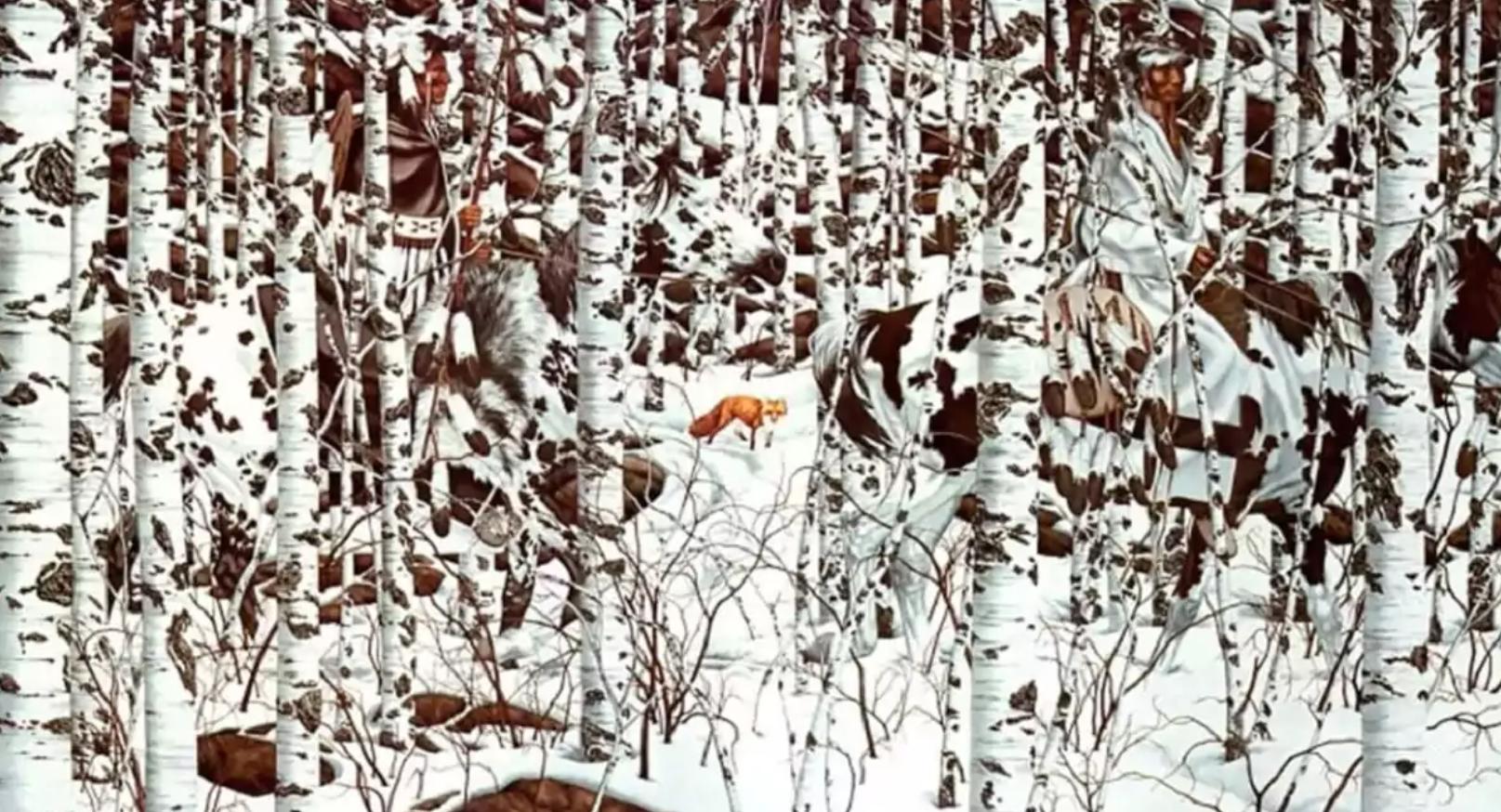
In the middle, a solitary fox catches the eye. Yet, our assurance that this creature is the sole occupant of the scene could be shaken.
That’s the magic of art: well-kept secrets. Immortal works like those of Leonardo da Vinci or Pablo Picasso continue to evoke varied interpretations, even after decades.
A bolder brushstroke, a subtly hidden form in a complex canvas—mystery and surprise are fundamental elements of the artistic labyrinth.
While some believe these mysteries are intentionally left fragments by artists to spice up interpretations by their admirers, others think these details were painted unconsciously, without imagining that their work would continue to fuel debates centuries later.
Yet, there are artists who specialize in the art of camouflage, hiding parts of their work or elements of their creations to provoke wonder and amazement from the audience.
One such artist is Bev Doolittle, an American who subtly painted the life of indigenous peoples in her watercolors.
Now 75 years old, Bev, accompanied by her husband Jay Doolittle, has traveled the nation in their nomadic vehicle, a camper.
A graduate of the Art Center College of Design in Los Angeles, she drew inspiration from the impressive landscapes and enriching wildlife of the Southwest.
While traveling, Bev refined and developed her style.
She not only took interest in the fauna and flora of the places visited but also in the stories that the natives had to share.
Bev classifies her art as a “camouflage technique.” Depending on the angle or how viewers look at her works, they can discover different versions of the same painting.