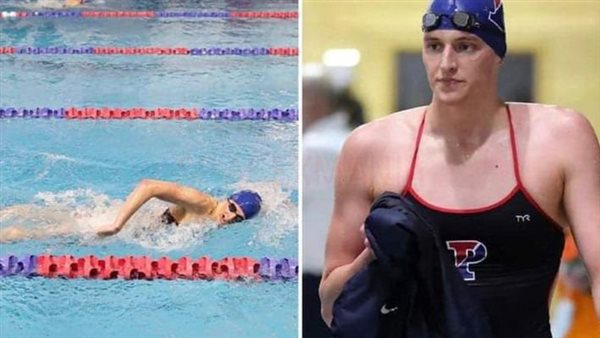
Breaking: Lia Thomas Bows Out of Competitive Swimming, Says “Nobody Wants Me On Their Team”
At the core of the discourse, beneath the scientific, ethical, and competitive dimensions, resides a fundamental human aspect that warrants priority: respect and empathy towards the lived experiences of all athletes, acknowledging their struggles, triumphs, and the sacrifices made in pursuit of excellence.
Thomas’s departure ignites crucial questions, requiring an intersectional approach that harmonizes inclusivity with fair competition. This includes considerations about hormone levels, physical attributes, and how these factors might influence competitive advantages or disadvantages in the sporting arena. The resolution of these queries is neither straightforward nor one-dimensional.
In this watershed moment, we are witnesses to an athlete who reached the pinnacle of success, yet found the journey marred by scrutiny, isolation, and exhaustive debate over her very right to participate. Thomas’s statement and subsequent withdrawal from competition provide a profound and poignant moment for reflection, far transcending the confines of sport.The ramifications of Thomas’s withdrawal will invariably ripple through the sporting world, prompting athletes, governing bodies, and spectators alike to ponder how we can cultivate an environment that celebrates and honors all athletes for their dedication, prowess, and athletic achievements, unmarred by exclusion or bias.
In closing, the tapestry of sportsmanship is enriched by the varied threads of all those who weave into it, each bringing their unique textures, colors, and strengths. It’s intrinsic upon the collective sporting community to deliberate on how these threads can be woven together in a manner that upholds the dignity, respect, and equity of each strand. This instance, marked by Lia Thomas’s withdrawal, thus serves not as a conclusion, but an impetus for a deeper, inclusive, and holistic dialogue on the journey ahead in the realm of competitive sports.