Mom sees her kids with little furry animal in park – looks closer and realizes big danger
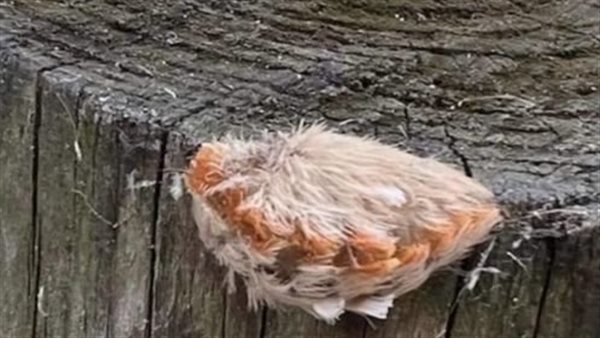
The name is probably in reference to the caterpillar’s resemblance to a cat’s soft fur. But despite its harmless exterior, the insect contains poison that it can inject. It’s covered in hair that disguises toxic bristles.
These larvae, who can grow to a little over 1 inch long, are found in much of the United States. According to NPR, they could be found ”feasting on foliage in states between New Jersey and Florida and as far west as Texas.”
The puss caterpillar’s sting is brutal and it should never be touched. Doing so could cause them to stick to you and inject you with their venom.
”It feels like a wasp sting but worse. The pain hits immediately and gets worse after the creature sticks, and can even make your bones hurt. How badly it gets stuck depends on where it gets stuck and how many tags have dug into your skin. People who’ve had it stuck on their hands have reported feeling the pain up to their shoulders and it lasting for up to twelve hours,” ethnologist Don Hall told National Geographic, according to Expressen.
Eric Day, manager of Virginia Tech’s Insect ID La, has undoubtedly felt the pain of a sting from the puss caterpillar. While mowing the lawn at his home in rural Virginia, he brushed a tree and was stung by the odd-locking caterpillar.
”The burning sensation went away in a day or so, but that blister and then subsequent kind of irritated area was visible for several weeks,” he recalled.
If you are stung by this caterpillar, you should use tape to remove the venomous hairs and then gently wash the area with soap and water. According to the National Capital Poison Center, you can also use hydrocortisone cream or a baking soda on the area, if the sting site begins to itch. Should it become worse, seek medical attention.
Puss caterpillars are very rarely deadly, but the sting could cause anaphylaxis, which can be life-threatening.
Take a look at the unusual and mysterious caterpillar here: