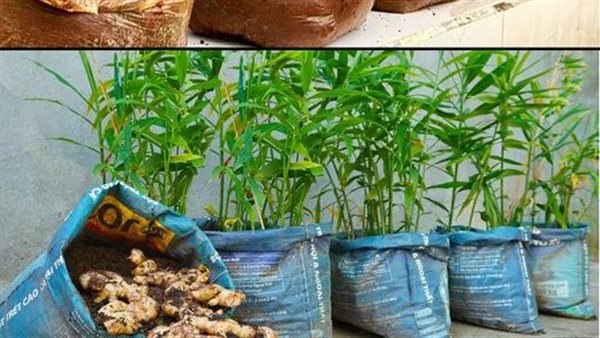
How to Grow Ginger in Plastic Bags: A Guide to Abundant Harvest check first comment 💬👀
manifest as small, verdant or pinkish buds on the rhizome’s surface.
2. Sprouting Ginger:
Initiate the germination process by placing your ginger rhizomes in a warm, well-illuminated location for a few weeks. This can be achieved by employing a seed tray filled with potting mix or simply laying the rhizomes on the soil.
Maintain consistent soil moisture, and within weeks, you should observe shoots emerging from the ginger rhizomes’ eyes.
3. Preparing Plastic Bags:
Prepare the plastic bags by filling them with well-draining potting soil, ensuring a few inches of headspace to accommodate watering requirements.
It is imperative that every bag is equipped with adequate drainage or that you create perforations at the base to facilitate effective water drainage.
4. Planting Ginger:
With care, nestle the sprouted ginger rhizomes into the potting soil in the plastic bags, ensuring a planting depth of approximately 2 inches, and spacing them apart by a few inches.
Be vigilant in placing the rhizomes with their eyes facing upward, and subsequently cover them with a slender layer of soil.
5. Homemade Fertilizers:
a. Compost Tea: Blend 1 part compost with 5 parts water, allowing it to steep for several days. Use this concoction for periodic watering of your ginger plants.
b. Banana Peel Fertilizer: Harness the nutrients present in banana peels by blending them with water to create a nutrient-rich solution. Administer this mixture to your ginger plants every 2-4 weeks.
c. Eggshell Fertilizer: Deter pests and supply calcium by crushing eggshells and sprinkling them around your ginger plants.
6. Care and Maintenance:
Sustain the well-being of your ginger plants by conscientiously watering them, maintaining soil moisture without inducing waterlogging.
Shield your plants from direct sunlight and strong winds, as ginger thrives in filtered light and a humid climate.
The application of organic mulch will aid in moisture retention and weed control.
7. Harvesting Ginger:
Ginger is typically ready for harvest 8-10 months after planting. Carefully unearth the rhizomes by gently pulling back the soil. Choose and remove the desired quantity, leaving some rhizomes in the soil to foster continued growth.
Conclusion:
The cultivation of ginger in plastic bags presents an innovative and space-conscious method to savor the joys of home gardening while ensuring a steady supply of this versatile spice. Armed with the right materials, diligent care, and the benefits of homemade fertilizers, you can successfully nurture ginger in the comfort of your home. Relish the satisfaction of harvesting your own ginger, and savor its delectable flavor and myriad health advantages. Happy gardening!