The Secret to Abundant Bell Pepper Production: Growing in Small Space
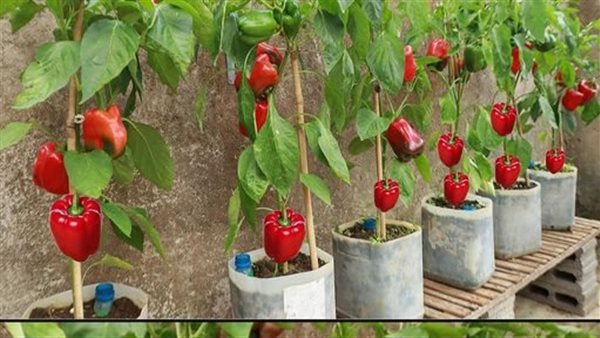
Planting Bell Pepper Seeds or Transplants
When it comes to planting bell peppers, you have a binary choice – seeds or transplants. For novices, employing transplants is the path of least resistance and haste. Procure thriving pepper seedlings from a local nursery or germinate your own seeds indoors 8-10 weeks prior to the final frost date. Transplant the seedlings into your containers once they’ve matured, bearing at least two sets of true leaves.
Sunlight and Placement
Bell peppers unfurl their full potential under the sun’s benevolent rays, basking in a habitat that bestows a minimum of 6-8 hours of direct sunlight daily. Position your containers strategically, be it on a sun-drenched balcony, patio, or windowsill. If indoor growth is your preference, contemplate the utility of grow lights as a supplement to natural sunlight.
Watering
Sustaining the hydration of bell peppers is of paramount importance. Uphold soil moisture consistently, steering clear of over-saturation. Apply a generous drenching once the top inch of soil assumes a parched demeanor. Be mindful to evade moistening the foliage to forestall afflictions.
Homemade Fertilizers for Bell Peppers
To invigorate healthy growth and maximize pepper yields, consider the employ of homemade fertilizers. Here are a couple of DIY fertilization alternatives:
1. Compost Tea Ingredients:
- 5 gallons of water
- 1-2 shovelfuls of well-decomposed compost
Instructions:
- Replete a 5-gallon bucket with water.
- Incorporate the compost into the water.
- Vigorously stir the mixture and allow it to sit undisturbed for 2-3 days.
- Filter the liquid and employ it for irrigating your bell pepper plants, thereby imparting an organic, nutrient-rich boost to your vegetation.
2. Eggshell Fertilizer Ingredients:
- Crushed eggshells
Instructions:
- Salvage and crush eggshells from your kitchen.
- Sprinkle the crushed eggshells encircling the base of your pepper plants. The calcium residues from the eggshells can thwart the occurrence of blossom end rot in your peppers.
Pest and Disease Management
Vigilance is imperative when dealing with common nuisances such as aphids, snails, and slugs. Routine inspections are the key, and the deployment of natural remedies like neem oil or homemade insecticidal soap is judicious for managing infestations. Augmenting airflow will diminish the threat of fungal maladies.
Harvesting
Your bell peppers attain the zenith of readiness when they attain their mature hue, typically green, red, or yellow, contingent on the specific variety. Employ scissors or pruning shears to sever the peppers from the plant, ensuring a small section of the stem remains attached.
Conclusion
Cultivating bell peppers in containers offers a gratifying and space-efficient endeavor for both neophytes and seasoned horticulturists. With the right container, soil, conscientious nurturing, and a dash of homemade fertilizer, you can indulge in a copious harvest of delectable bell peppers harvested right from your own domicile. So, without hesitation, commence your container garden and savor the delights of homegrown bounty. Happy gardening!