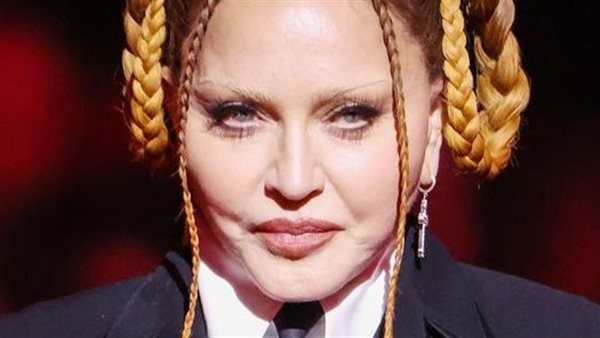
Fans express concern over Madonna – but why are people still commenting on women’s looks?
The show (which featured the tagline, “The facial flaws of the famous”) received 7,125 complaints to Ofcom, and Crosby herself took to social media to brand it “immoral and insensitive”.
On the flip side, last year Sarah Jessica Parker called out the “double standard” of ageing as a woman, noting how she’s experienced repeated criticism for her decision to – as some would put it – ‘grow old gracefully’. PSA: there’s no right or wrong way to grow old.
“I’m not angry, it’s just an observation… Some of it hurts for a minute, it smarts. And some of it confounds me because of the double standard that is so plainly illustrated,” she told Allure, referencing how a photo of her with grey hair went viral, yet there was no fanfare over the grey hair of TV presenter Andy Cohen who was also in the shot. Instead, Cohen – much like other men – was labelled a ‘silver fox’. Parker’s comments echoed those of co-star Kristin Davis who previously said: “It can be extremely stressful to be ageing and to be compared to your much, much, much younger self.”
As Elman said so perfectly, it’s not the appearance of women that ought to change, but rather society itself. “When we body shame someone else, it’s often a reflection of our own insecurity. There is a moral superiority that comes now with looking down on women who succumb to changing their appearance but if we are still ranking women or comparing one to another, it encourages the same problem,” she told Cosmopolitan UK. “Instead, we need to remove body shame from all conversations and understand other people’s decisions about their body is none of our business.”
Whilst Madonna is a public figure so recognisable she doesn’t even need a surname, that doesn’t give any of us the right to comment on her appearance – but we could all use this moment (and forensic examination of her face) as a springboard for a wider discussion on things that need to change, as well as reassessing our own inner dialogue and biases.
Are we all completely guilt-free when it comes to remarking on celebrities, or even people we know, and ‘how well they’ve aged’? Isn’t it time we shove those comments into a no-go zone, along with pointing out that somebody has ‘lost weight and looks well for it’ – even if it is meant to be complimentary? The more power we remove from judging people on their looks, good or bad, the more empowered we all become. No matter our age, or cosmetic surgery history