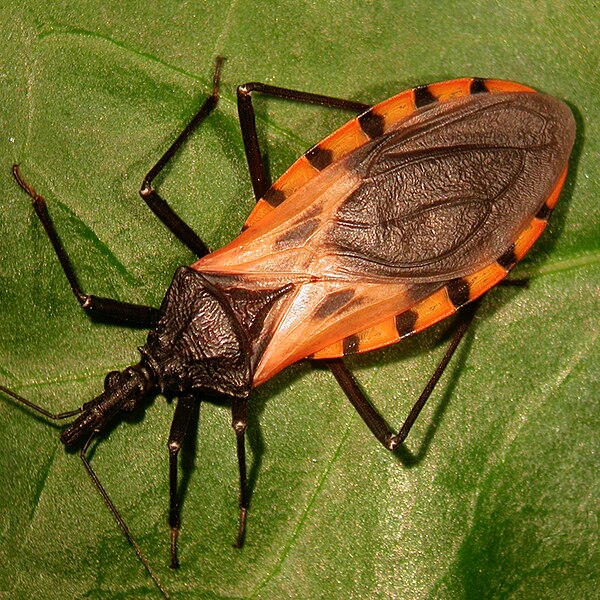
Bugs that come out at night can seriously hurt people or give them a sickness that lasts forever
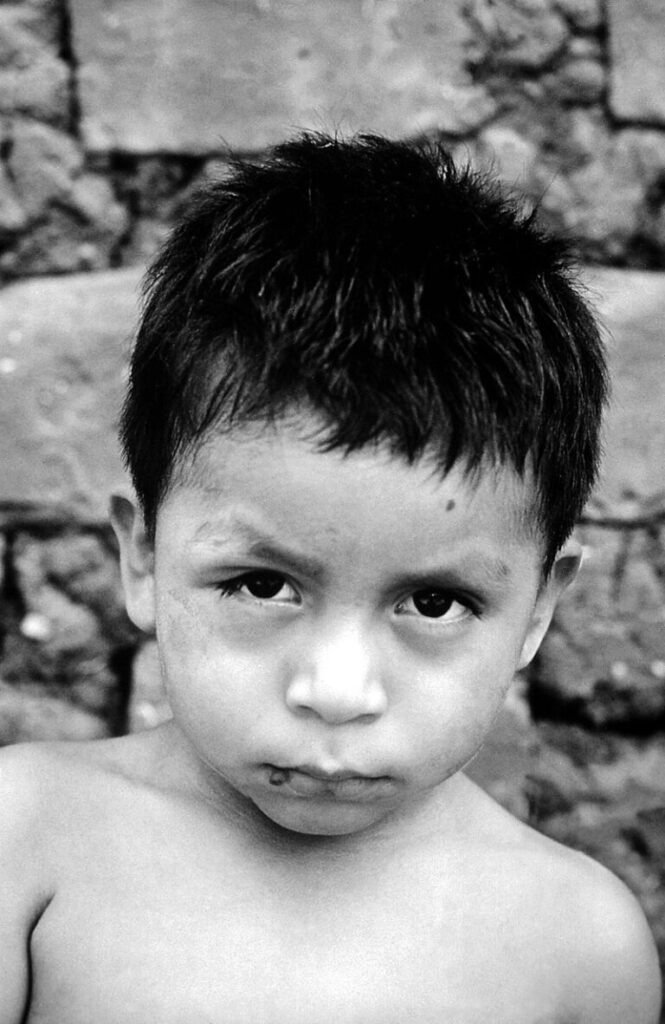
An acute Chagas disease infection with swelling of the right eye (Romaña’s sign) / Wikipedia Commons
Hernández and her daughter Idalia struggled to find doctors who knew about Chagas or how to treat it. This scared Hernández, making her fear for her daughter’s life and stressed her out because they couldn’t get clear information. Thankfully, a family member in the medical field helped Idalia get the treatment she needed. Hernández pointed out that even though officials in Mexico say Chagas isn’t a big problem and is under control, that’s not true. Many doctors aren’t trained on it and often confuse Chagas with other heart diseases. A lot of them don’t even know the disease exists in Mexico.
The World Health Organization (WHO) classifies Chagas as a “neglected tropical disease.” This means it doesn’t get much attention on the global health scene. Colin Forsyth from the Drugs for Neglected Diseases Initiative (DNDi) said one reason Chagas is overlooked is because it stays quiet in the body for a long time without showing symptoms. Also, the disease mainly affects poorer people who don’t have much say in health policies. So, both the nature of the disease and social factors cause it to stay under the radar.
Chagas is starting to get more attention as it spreads to different continents. It can be passed on in several ways, including through blood transfusions, organ transplants, and from a mother to her baby during pregnancy or birth. In the UK, Professor David Moore set up the Chagas Hub to help more people get tested and treated. Their main focus in the UK is preventing the disease from passing from mothers to their children. But Moore thinks the progress in getting rid of Chagas is super slow. Even though the World Health Organization has a goal to eliminate it by 2030, Moore believes that goal might be too ambitious.