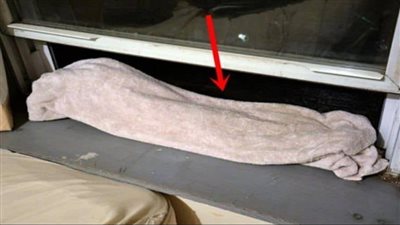
Bugs that come out at night can seriously hurt people or give them a sickness that lasts forever
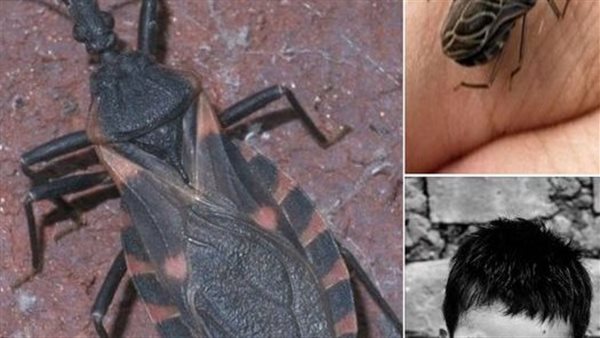
Wikipedia Commons / Felipe Guhl
There are two medicines for Chagas: benznidazole and nifurtimox. Both have been around for over 50 years. But Moore says these medicines are “not great” – they’re harsh, have nasty side effects, and don’t always work well. They can help babies, but there’s no surety they’ll work as effectively for adults. For instance, Rodríguez experienced side effects like rashes, dizziness, and feeling sick when she took them. She did finish her treatment and now gets checked annually. Moore emphasizes the need for better Chagas medicine. However, right now, making new drugs isn’t attractive to drug companies because it’s not profitable.
Hernández is working hard to bring more attention to Chagas. As the president of the International Federation of Associations of People Affected by Chagas Disease (FINDECHAGAS), she’s pushing for more awareness. At the same time, Rodríguez in Spain is also trying to raise awareness about this silent disease through a campaign with the Barcelona Institute for Global Health. She’s tired of the disease being ignored and wants everyone to know about it, get tested, and receive treatment. Their efforts are starting to make an impact, and people are beginning to listen.
The World Health Organization (WHO) has set up World Chagas Disease Day on April 14th each year. This date marks when Carlos discovered the first human case of the disease in 1909. By 2030, WHO aims to tackle a range of 20 diseases, including Chagas.
To help keep homes safe from the bugs that spread Chagas, the CDC suggests several preventative measures:
- Fix any cracks or gaps in your home’s walls, roofs, doors, and windows.
- Clear away wood, brush, and rocks close to your house.
- Make sure doors and windows have screens and fix any damages.
- Block any openings leading to attics or under the house.
- Let your pets sleep inside, especially during the night.
- Keep your home and any pet areas outdoors tidy, and regularly check for bugs.
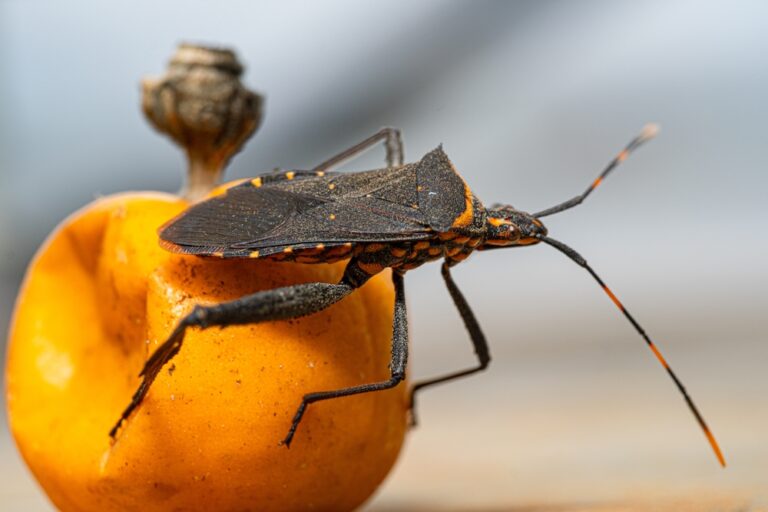
Shutterstock
If you think you’ve found a kissing bug, don’t squish it! The CDC suggests you carefully put the bug into a container and either fill it with rubbing alcohol or freeze it. Then, take that container to a local health department or a university lab to confirm if it’s a kissing bug.
It’s a bit scary to imagine these bugs might be living inside walls – it reminds you of those spooky tales about monsters hiding inside homes.
We truly hope the World Health Organization achieves its goal of wiping out Chagas and other overlooked tropical diseases.